
What Are Whole Foods? The Basics and Why They Matter for Your Health
Whole foods have gained popularity as a cornerstone of healthy eating, but what exactly qualifies as a whole food, and why should we prioritize them in our diets? This blog will help you understand the importance of whole foods, what distinguishes them from other types of food, and how they can transform your health.
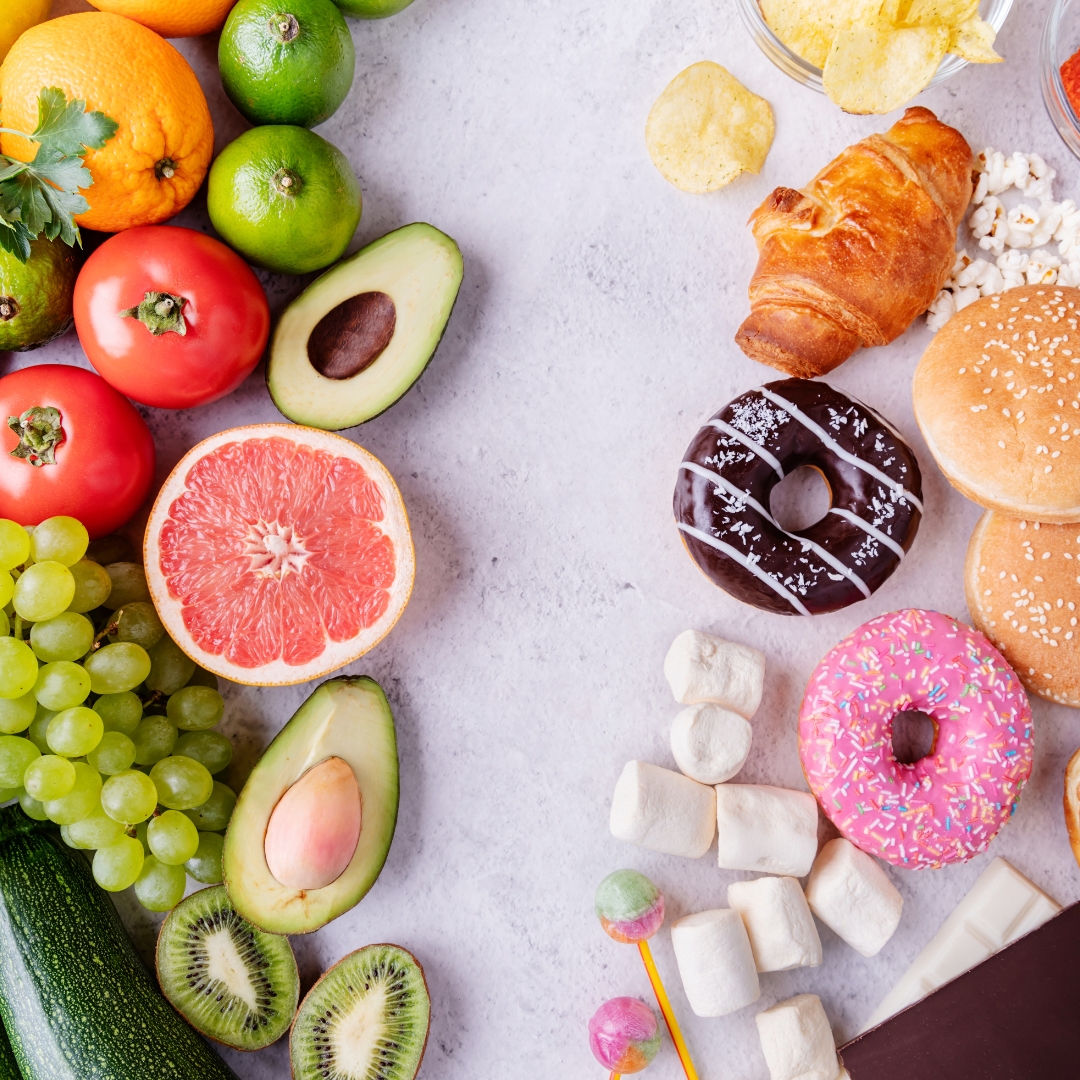
Whole foods are foods that remain in their natural, unprocessed state or are minimally processed. Unlike highly processed or ultra-processed foods, which often contain added sugars, fats, preservatives, and other artificial ingredients, whole foods are nutrient-dense and free from unnecessary additives. They are typically high in fibre, vitamins, minerals, and antioxidants that help support a balanced and healthy diet.
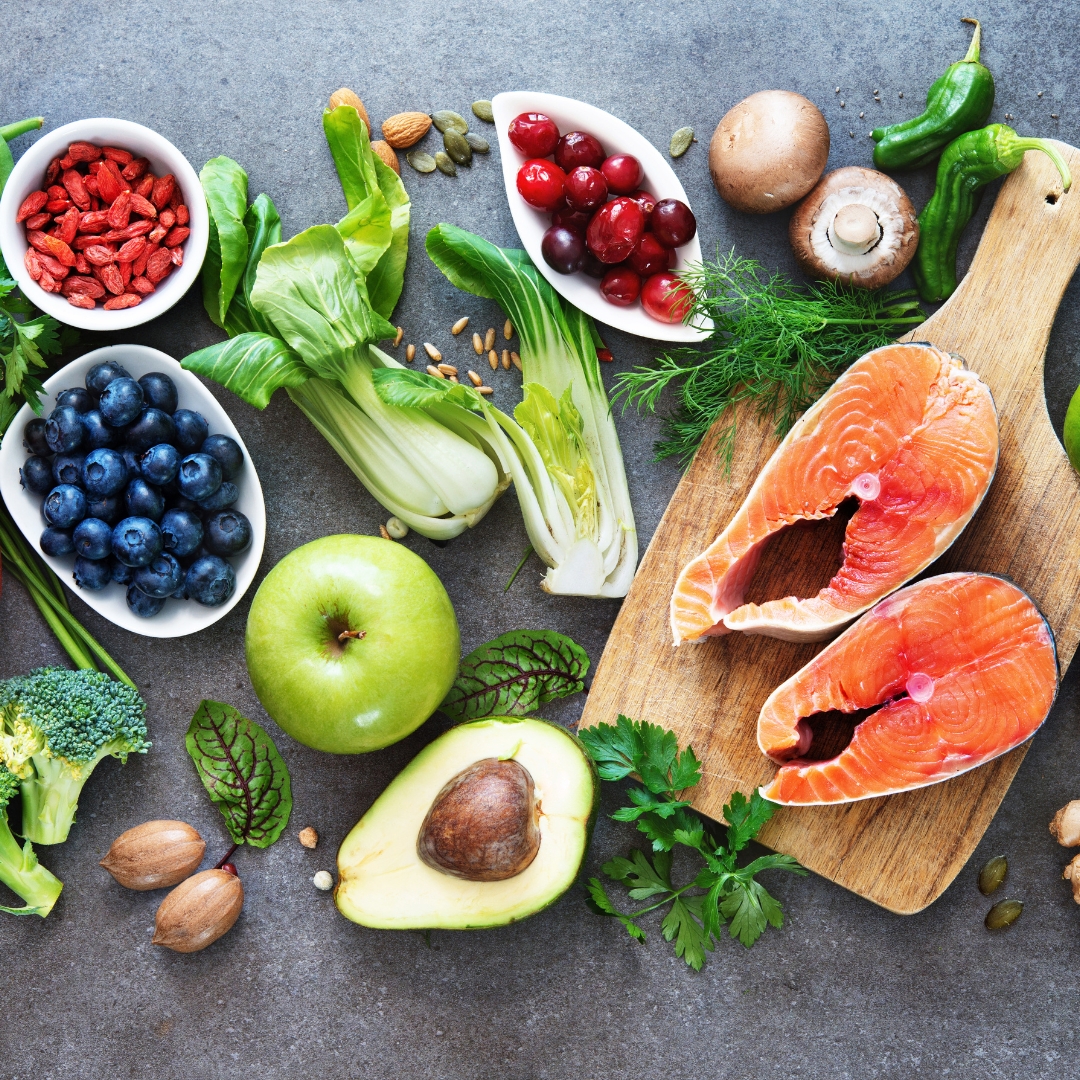
In simple terms, whole foods are foods that are as close to their natural form as possible. These include:
Fruits and Vegetables: Apples, carrots, broccoli, berries, and leafy greens.
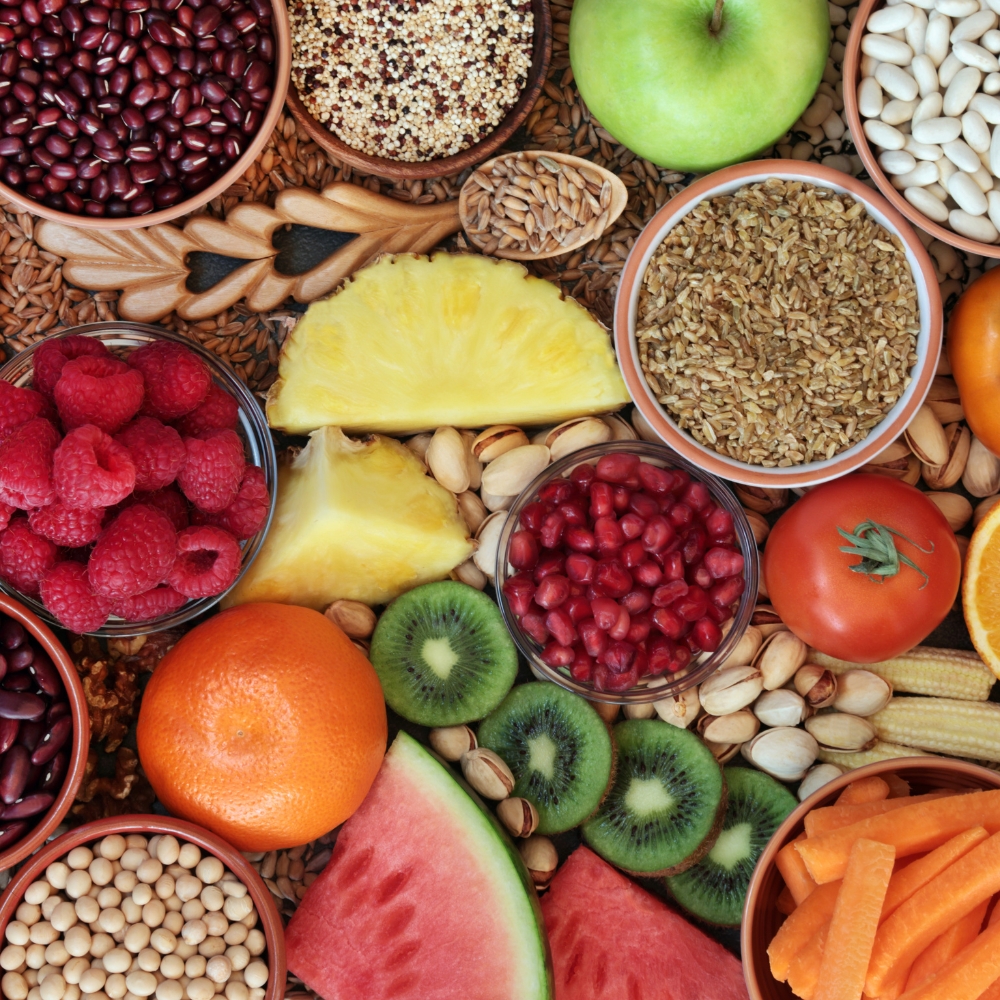
Whole Grains: Brown rice, quinoa, barley, oats, and farro.
Nuts and Seeds: Almonds, chia seeds, flaxseeds, and walnuts.
Legumes: Beans, lentils, chickpeas, and peas.
Lean Proteins: Eggs, fish, poultry, and unprocessed cuts of meat.
Healthy Fats: Avocado, olive oil, coconut oil, and butter (when used minimally).
The key difference between whole foods and processed foods is that whole foods are unaltered and contain no added sugars, refined grains, artificial colours, or preservatives. For example, an apple is a whole food, while apple-flavoured fruit snacks are an ultra-processed product with added sugar, preservatives, and flavouring.
Why Whole Foods Matter in a Modern Diet
In the past century, our diets have shifted drastically toward convenience, which often means more processed options that are less nutritious. Many of these highly processed foods are high in refined carbohydrates, unhealthy fats, and added sugars, leading to a range of health problems such as obesity, heart disease, and type 2 diabetes.
Switching to whole foods helps counteract these effects by:
Reducing Caloric Density: Whole foods are typically lower in calories and more filling, which helps with weight management.
Providing Essential Nutrients: Whole foods contain more vitamins, minerals, and antioxidants than their processed counterparts, helping prevent nutrient deficiencies.
Supporting Digestive Health: High-fibre foods like fruits, vegetables, and whole grains promote gut health by supporting good bacteria in the digestive tract.
Health Benefits of Whole Foods
Eating whole foods comes with numerous health benefits. Here’s a deeper look into why whole foods are so beneficial:
High in Nutrients
Whole foods are packed with vitamins, minerals, and antioxidants that play a vital role in overall health. For example:
Vitamin C in citrus fruits and bell peppers boosts the immune system.
Potassium in bananas, leafy greens, and sweet potatoes helps regulate blood pressure.
Antioxidants in berries, dark chocolate, and green tea fight oxidative stress, reducing inflammation and risk of chronic diseases.
Support Weight Management
Whole foods are naturally lower in calories than processed foods, especially foods high in fibre like fruits, vegetables, and whole grains. Fibre creates a sense of fullness, which reduces overall calorie intake. Studies suggest that high-fibre diets can aid weight loss and help maintain a healthy weight by reducing hunger levels throughout the day.
Reduce the Risk of Chronic Diseases
A diet rich in whole foods has been linked to a reduced risk of heart disease, diabetes, and certain cancers. Whole grains, fruits, and vegetables contain antioxidants that protect cells from damage, while healthy fats like those found in nuts, seeds, and olive oil can improve heart health by reducing LDL (bad) cholesterol.
Improve Gut Health
Whole foods like fruits, vegetables, and whole grains contain prebiotics − fibres that feed the beneficial bacteria in the gut. A balanced gut microbiome supports digestion, immune function, and even mental health. For example, fibre-rich whole foods can help alleviate digestive issues like constipation and promote regularity.
Whole Foods vs. Processed Foods: What’s the Real Difference?
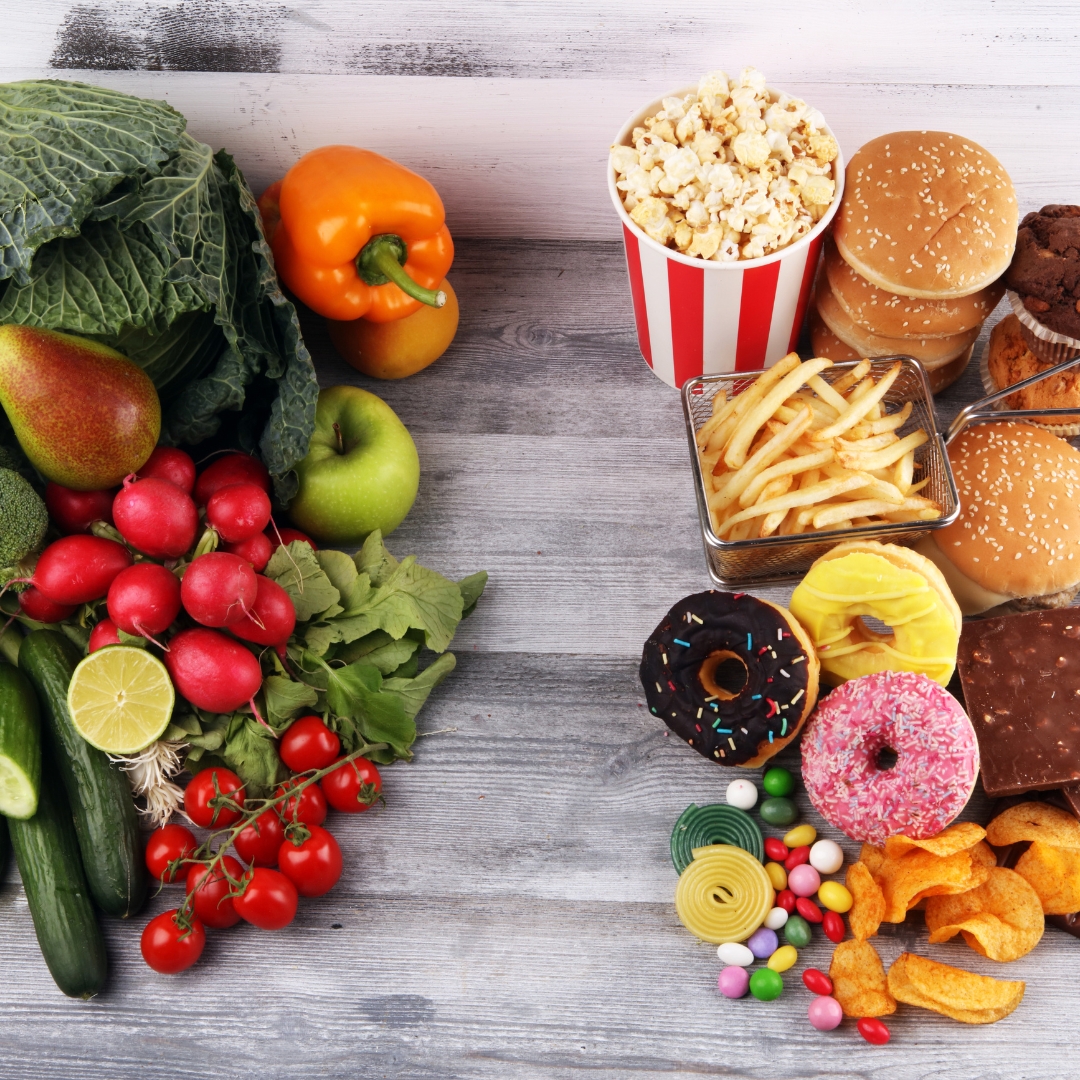
To better understand why whole foods are superior, let’s compare them to ultra-processed foods.
Nutrient Content: Whole foods are nutrient-dense, while ultra-processed foods are often high in empty calories with minimal nutrients.
Ingredients: Processed foods contain artificial additives, preservatives, and flavour enhancers, while whole foods do not.
Blood Sugar Impact: Whole foods generally have a lower glycemic index, meaning they don’t cause spikes in blood sugar the way refined carbs in processed foods often do.
A classic example is a potato versus potato chips. The potato is a whole food that provides fibre, potassium, and vitamins. Potato chips, however, are fried and seasoned with added salt, artificial flavours, and preservatives, transforming them into a calorie-dense, nutrient-poor snack.
How to Incorporate More Whole Foods into Your Diet
Switching to a whole-food diet doesn’t have to be overwhelming. Here are some practical tips:
Start Small with Simple Swaps
Replace refined grains with whole grains: Choose brown rice over white rice, and whole-wheat bread over white bread.
Swap sugary snacks for fresh fruit: An apple or handful of berries is a much healthier choice than a processed fruit snack.
Shop the Perimeter of the Grocery Store
Most grocery stores place fresh, whole foods like fruits, vegetables, meats, and dairy around the store’s perimeter. Focus your shopping on these sections and limit processed snacks found in the middle aisles.
Cook at Home More Often
Cooking at home gives you full control over what goes into your meals. Try simple, whole-food recipes like vegetable stir-fries, grain bowls, or homemade soups that are filling and easy to make.
Plan Your Meals Around Whole Foods
Create meal plans that prioritize whole foods, such as planning a week’s worth of dinners with whole grains, lean proteins, and a variety of vegetables.
Try New Recipes
Experimenting with new ingredients or recipes can help keep things interesting. Instead of traditional pasta, try spiralized zucchini noodles with fresh tomato sauce, or make a smoothie bowl with fruits, leafy greens, and seeds.
Are There Any Downsides to Whole Foods?
While whole foods are generally superior to processed foods, there are a few considerations to keep in mind:
Preparation Time: Whole foods often require more preparation time, such as washing, chopping, or cooking.
Higher Costs: In some cases, whole foods can be more expensive than processed alternatives. However, buying in bulk, shopping seasonally, and focusing on staple items (like grains and legumes) can help make whole foods more affordable.
Whole Foods and Sustainable Eating
Eating more whole foods isn’t only good for your health; it can also be beneficial for the environment. Processed foods often come with excess packaging and require more resources to produce, whereas whole foods − especially plant-based options like fruits and vegetables − have a smaller environmental footprint.
Conclusion: Embrace Whole Foods for a Healthier Lifestyle
Whole foods provide a simple, natural, and effective way to improve your diet and overall well-being. By focusing on fruits, vegetables, whole grains, and unprocessed proteins, you can achieve better health outcomes, manage weight, and reduce the risk of chronic diseases. Remember, small, sustainable changes make the biggest impact over time.
Making the transition to a diet based around whole foods is achievable, and every step brings you closer to a healthier lifestyle.